


You cannot think your way out of a stutter. You cannot use willpower to force fluency when your motor-speech system is locked in an old, reflexive habit. If you’ve spent years trying to “pass” as fluent, you know the deep exhaustion that comes with hiding. You’ve likely felt the sting of relapse after previous therapy attempts or the paralyzing anxiety of a high-stakes job interview. It’s frustrating to feel like your voice is out of your control, but the problem isn’t your effort. The problem is the method.
Finding the right stuttering treatment options for adults means moving beyond vague advice and focusing on physical mechanics. You deserve a solution that treats speech as a skill you can build, not a condition you have to manage. In this guide, we’ll break down the most effective, evidence-based treatments available in 2026. You’ll learn how to replace old speech patterns with a new, fluent way of speaking and discover how specialized experts provide the tools for lasting change. We’ll explore intensive programs and personalized sessions that give you the confidence to speak anywhere, from the boardroom to a simple phone call.
Key Takeaways
- Learn why effective stuttering treatment options for adults focus on retraining physical motor-speech mechanics rather than relying on mental willpower.
- Understand the critical difference between simply “stuttering easier” and building a completely new, fluent speech pattern from the ground up.
- Discover how intensive, massed practice leverages neuroplasticity to rewire your brain’s speech centers faster than traditional weekly sessions.
- Identify the essential credentials, such as Board Certification in Fluency, that distinguish a specialized adult expert from a generalist.
- Explore a strategic methodology that breaks down the physical mechanics of speech blocks to establish lasting, effortless fluency.
Navigating Stuttering Treatment Options for Adults in 2026
Adults who stutter face a reality that pediatric therapy simply isn’t designed to handle. By the time you reach adulthood, your speech patterns aren’t just a “phase”; they are deeply etched neurological and physical habits. You’ve spent decades reinforcing these motor-speech blocks. Treating this requires more than just “tips” or “tricks.” You must view treatment not as a search for a magical cure, but as the acquisition of a new physical speech skill. It’s a pragmatic shift. You are learning to operate your speech mechanism in a completely different way. Stuttering is a complex challenge, but it is never too late to override those old patterns with the right methodology.
The emotional toll of “passing” as fluent is often as heavy as the stutter itself. You might spend your entire day scanning for upcoming words, swapping “difficult” sounds for “safe” ones, and living in a state of constant mental gymnastics. This is physically and mentally exhausting. When you evaluate stuttering treatment options for adults, you need a path that ends this cycle of hiding. You need a system that builds a proactive foundation of fluency, allowing you to speak without the fear of your voice suddenly locking up.
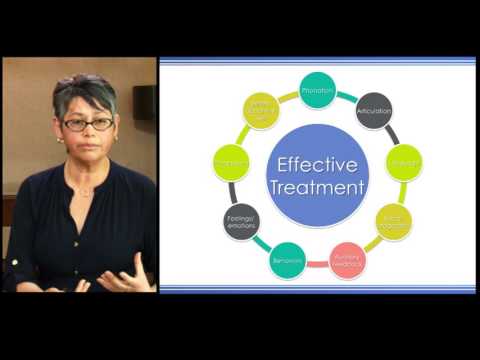
To better understand the behavioral roadblocks often faced during treatment, watch this helpful video:
Why Traditional Speech Therapy Often Fails Adults
Most speech therapy is geared toward children. General practitioners often focus on articulation, which is how you shape sounds. But as an adult, you likely know exactly where to put your tongue. Your problem is the motor-speech block that prevents the sound from starting. Weekly 30-minute sessions are often insufficient to override decades of neurological patterns. It’s like trying to move a mountain with a spoon; the frequency is too low to create lasting change. There is also the “willpower trap.” Many adults believe that if they just try harder, they’ll be fluent. In reality, the harder you try to force a word out, the more tension you create. This tension is what fuels the stutter.
The Shift from Management to Motor-Speech Replacement
Motor-speech replacement is a physical skill acquisition process that installs a new way of talking to bypass the old, broken habit. This methodology recognizes that physical mechanics, not just your mindset, dictate your success. Many programs focus on “stuttering modification,” which essentially teaches you how to stutter more easily. I believe that is a defensive approach. You should be playing offense. By focusing on the proactive mechanics of how your breath, vocal cords, and articulators work together, you create a foundation for fluency that doesn’t rely on luck or willpower. You stop managing a condition and start practicing a skill.
Understanding Methodologies: Fluency Shaping vs. Stuttering Modification
Most adults researching stuttering diagnosis and treatment encounter two primary schools of thought. These are fluency shaping and stuttering modification. While they share the goal of improving communication, their strategies are fundamentally different. One focuses on playing offense. The other focuses on defense. Choosing between them often depends on your specific lifestyle and career goals. You must decide if you want to manage a stutter or replace it with a new way of speaking.
Fluency Shaping: Building a New Foundation
Fluency shaping is a proactive methodology. It doesn’t wait for a block to happen. Instead, it builds a new, fluent speech pattern from the ground up. This approach utilizes physical mechanics like breath support, gentle onsets, and continuous phonation. These Fluency Shaping Techniques create a “physical shield” against the stuttering impulse. You aren’t just managing a problem. You’re replacing an old habit with a new skill. For adults who need to lead meetings or give presentations, this foundation provides the reliability that willpower alone cannot provide.
Stuttering Modification: Managing the Moment
Stuttering modification takes a reactive approach. It accepts that stuttering will occur and provides tools to handle it with less tension. You might learn “pull-outs” to escape a block mid-sentence or “cancellations” to repeat a stuttered word more smoothly. This is often called “stuttering more easily.” While helpful for reducing physical strain, it has limitations. In high-pressure environments like a job interview, “stuttering more easily” might not provide the professional presence you desire. Many adults find modification works best as a secondary tool rather than a primary solution for their stuttering treatment options for adults.
Professional advancement often dictates which path you choose. If your career requires high-stakes speaking, you likely prefer a fluency-based approach. You want to sound like yourself, not someone managing a condition. Both methodologies incorporate desensitization. This process reduces the fear of speaking by exposing you to challenging situations in a controlled way. When you reduce the fear, you reduce the physical tension that triggers blocks. This is a critical part of exploring stuttering treatment options for adults in a modern clinical setting. You must face the fear to master the mechanics.
Choosing the right path involves assessing your daily speaking demands. If you’re ready to stop reacting to blocks and start speaking with a proactive foundation, it’s time to look at intensive skill-building. You can find more about these strategies through professional training resources designed for lasting change. Learning to control your mechanics is the first step toward reclaiming your voice in any situation. Efficiency and honesty are the benchmarks of a program that actually works.
Intensive Programs vs. Weekly Therapy: Which Delivers Results?
Traditional weekly therapy is the most common format people encounter when looking for stuttering treatment options for adults. You attend a session for forty five minutes, practice a few techniques, and then return to a world where your old habits take over. This “drip-feed” approach rarely creates lasting change because it lacks the intensity required to override decades of neurological programming. To truly change how you speak, you must understand the principle of massed practice. Forty hours of concentrated effort in a single week is significantly more effective than forty hours spread across an entire year. Concentrated effort is what triggers neuroplasticity, the brain’s ability to physically rewire its speech centers.
Intensive programs provide an immersion experience that effectively breaks the stuttering cycle. When you stay in a fluent “mode” for several hours a day, you stop giving the old stuttering habit room to breathe. This immersion is a foundational element in modern clinical approaches, as noted in Mayo Clinic’s guide to stuttering diagnosis and treatment. By the end of an intensive week, you aren’t just trying to be fluent; you are operating from a new physical baseline. To safeguard this initial investment, a “refresher” model is essential. It provides the periodic tune-ups needed to ensure your new skills remain sharp in high-pressure situations.
The 5-Day Intensive Advantage
A 5-day program allows for immediate, visible progress that builds massive momentum. You don’t have to wait months to feel a difference. After years of frustration and failed attempts, seeing results by Tuesday or Wednesday provides a psychological breakthrough that weekly therapy cannot match. This rapid success proves to your brain that change is possible. If you are ready for this level of commitment, explore Intensive Stuttering Therapy for Adults to see how a condensed timeline accelerates results.
Teletherapy: Specialized Care Without Geographic Limits
You no longer have to settle for a local generalist who occasionally sees adults who stutter. Remote sessions allow you to work with national specialists from the comfort of your home. Teletherapy is particularly effective because it mirrors real-world communication. You practice your skills on Zoom calls and phone interviews, which are the exact environments where you need fluency most. These sessions maintain the same rigor and results as in-person programs while offering the efficiency busy professionals require. It’s a pragmatic way to access the best stuttering treatment options for adults without the need for travel. You get the expertise you need on the platform you actually use every day.
Critical Criteria for Choosing an Adult Stuttering Specialist
Choosing the right provider is the most important decision you’ll make in your journey toward fluency. Most people assume any licensed speech therapist can help. This is a mistake. Many practitioners focus on pediatric articulation or language delays. They don’t have the specialized training to address the complex motor-speech mechanics of an adult who stutters. You need a Board Certified Specialist in Fluency and Fluency Disorders (BCS-F). This certification proves the therapist has dedicated their career to this specific field. It’s your guarantee of expertise.
Ask direct questions about their methodology. If a therapist focuses solely on “acceptance” or “coping,” they’re teaching you to live with the problem. You want a specialist who understands physical mechanics. This means focusing on how your breath, vocal cords, and articulators work together to produce sound. Your stuttering treatment options for adults should also include real-world transfer activities. Practicing in a quiet office is a start, but it isn’t enough. You need to take those skills onto the street, into shops, and over the phone. Fluency must be durable enough to survive the real world.
Why Specialization Matters for Adults
Adult stuttering involves layers of avoidance behaviors. You might skip certain words or avoid social gatherings entirely. These habits are deeply ingrained over decades. A generalist often misses these nuances. A Speech Therapist for Adults understands that your career and social life depend on your ability to communicate effectively. They focus on efficiency and results. They know that for a professional, a block during a presentation isn’t just a minor inconvenience. It’s a significant barrier to your success.
Addressing Workplace Anxiety and Telephobia
Effective treatment must go beyond the mechanics of speech. It must address the psychological pressure of the workplace. High-pressure situations like board meetings or cold calls trigger the physical tension that leads to stuttering. Your specialist should provide specific strategies for these moments. By mastering motor-speech skills, you can learn how to conquer phone anxiety through proactive practice. This builds the confidence needed to handle any professional challenge without the fear of your voice locking up.
Don’t settle for general care when your voice and career are on the line. You deserve a partner who understands the unique demands of adult fluency. If you’re ready to evaluate your stuttering treatment options for adults with an expert, explore our specialized fluency programs today. Reclaiming your voice starts with choosing the right guide who has the experience to lead you there.
The Power Stuttering Method: A Strategic Path to Fluency
The Power Stuttering Method isn’t about managing a condition; it’s about installing a new operating system for your speech. Most stuttering treatment options for adults fail because they ask you to patch a broken habit. We replace it. This is a strategic, four-step process designed to move you from frustration to effortless communication. We don’t want you to just “get by.” We want you to master the physical mechanics of speaking so you never have to fear a block again.
Step 1 involves identifying the physical mechanics of the block. You must understand exactly what your vocal cords and articulators are doing when you get stuck. Step 2 focuses on learning the new speech skill in a controlled environment. We build your new fluency foundation without the pressure of an audience. During Step 3, you transfer the skill to increasingly difficult real-world situations. You take your new tools into shops, meetings, and social events under the guidance of a specialist. Finally, Step 4 ensures long-term maintenance. We use Refresher Sessions and Individual Personal Zoom Sessions to ensure your skills stay sharp for the long haul. This methodical approach ensures that your progress isn’t a temporary spike, but a permanent change.
Replacing Fear with Physical Skill
Willpower is an ineffective tool for managing a physical stuttering block because you cannot use mental force to override a reflexive motor habit. When you try to “will” yourself to be fluent, you actually increase the physical tension that causes the block. This makes the problem worse. The Power Stuttering Method shifts your focus from “not stuttering” to “executing a skill.” It’s like learning a golf swing or a tennis serve. You focus on the mechanics of the movement, not the fear of the outcome. Our 5-day intensive program creates the clean break you need from your past speech patterns. It provides the immersion required to make this new skill your default way of talking in any environment.
Next Steps: Your Journey to Confident Communication
Your path to fluency starts with an honest assessment of your current communication challenges. You need to know which stuttering treatment options for adults actually align with your professional and personal goals. Don’t wait for a “better time” to address your speech. Prepare for an intensive program by identifying your highest-pressure speaking situations, such as job interviews or public presentations. This focus helps us tailor your transfer activities for maximum impact during your sessions. Take the first step toward lasting change today and get started with a free training session. It’s time to stop hiding your voice and start speaking with the authority you deserve.
Master Your Mechanics and Reclaim Your Voice
Your journey toward lasting fluency depends on a fundamental shift in perspective. Traditional management often fails because it treats the symptom rather than the source. Real change happens when you replace old motor-speech habits with a proactive, physical skill. By choosing specialized stuttering treatment options for adults, you move beyond the exhaustion of hiding and into the confidence of total control. You stop reacting to blocks and start executing a skill that you own.
Mark Power is a Board Certified Specialist in Fluency with over 35 years of clinical expertise. He has refined this process through a specialized 5-Day Intensive Program that leverages neuroplasticity to create a permanent break from the past. You don’t have to navigate this alone or settle for “stuttering easier.” You can build a foundation that works in every high-pressure situation you face, from boardroom presentations to simple phone calls.
Take the first step toward the fluent life you deserve. Start Your Journey to Fluency: Watch the Free Training and learn how to operate your speech mechanism with precision. Your voice is your most powerful tool. It’s time to use it without hesitation.
Frequently Asked Questions
Is there a permanent cure for stuttering in adults?
There is no medical cure or pill that eliminates stuttering. However, you can achieve lasting fluency by replacing the stuttering habit with a new physical speech skill. Successful treatment focuses on mastering the motor-speech mechanics required to bypass neurological blocks. It’s about gaining total control over your speech mechanism rather than waiting for a “fix” that doesn’t exist.
How long does stuttering therapy for adults typically take?
The timeline depends on the format you choose. Traditional therapy often involves weekly sessions that can stretch over several months or years. An intensive model, such as a 5-day program, provides roughly 40 hours of massed practice in a single week. This condensed approach is designed to trigger neuroplasticity and create an immediate break from old speech habits.
Can I stop stuttering without professional therapy?
It’s extremely difficult to override a lifelong motor-speech habit without expert guidance. Stuttering isn’t just a mental hurdle; it’s a physical behavior that’s been reinforced for decades. A specialist provides the tools to identify specific physical blocks and teaches you the exact mechanics needed to replace them. Professional intervention ensures you aren’t just relying on willpower, which eventually fails.
What is the difference between an SLP and a stuttering specialist?
A general Speech-Language Pathologist (SLP) treats a broad range of conditions, including swallowing and general articulation. A stuttering specialist, specifically a Board Certified Specialist in Fluency (BCS-F), has thousands of hours of experience focused exclusively on stuttering. This level of specialization is vital for adults who need advanced strategies to address complex motor-speech patterns and workplace communication demands.
Does insurance cover intensive stuttering therapy for adults?
Coverage depends heavily on your specific policy and your location. In 2026, legislation in states like Illinois has expanded coverage for young adults, while bills in other states like Florida have faced challenges. You must contact your insurance provider to determine if they classify stuttering treatment options for adults as a medically necessary service under your current plan.
Can stuttering return after successful therapy?
Relapse is a risk if you don’t actively maintain your new speech skills. Because stuttering is a deeply ingrained physical habit, your brain can default to old patterns during times of high stress. We utilize Refresher Sessions to safeguard your progress. These check-ins ensure your mechanics remain sharp and your fluency stays durable regardless of the speaking environment.
Is online stuttering therapy as effective as in-person sessions?
Yes, teletherapy is highly effective and often more convenient for busy professionals. Individual Personal Zoom Sessions allow you to practice your skills in the digital environments where you actually work and socialize. Online sessions provide direct access to national experts from your home, ensuring you receive specialized care without the limitations of your local geography.
Why did my previous speech therapy fail to help my stuttering?
Most traditional therapy fails because it focuses on “stuttering easier” or mental management rather than physical replacement. If your previous sessions didn’t teach you the specific motor-speech mechanics to bypass a block, you were left with no foundation. Effective stuttering treatment options for adults must focus on building a completely new way of speaking to override the old habit.


Article by
Mark Power
